Weekly wellbeing sessions for:
Workplaces, Individuals and NDIS Support Workers & Carers.
Building healthier people, stronger teams, and more resilient communities through practical wellbeing solutions.
Stress & Burnout Support
At home and Work Place Wellness programs that support balance, focus and productivity.
Medication Support
Reduce dependency safely where clinically appropriate.
Injury Recovery
Rebuild strength, restore mobility, and recover with confidence.
Chronic Pain Relief
We help you address the root cause and feel better naturally.
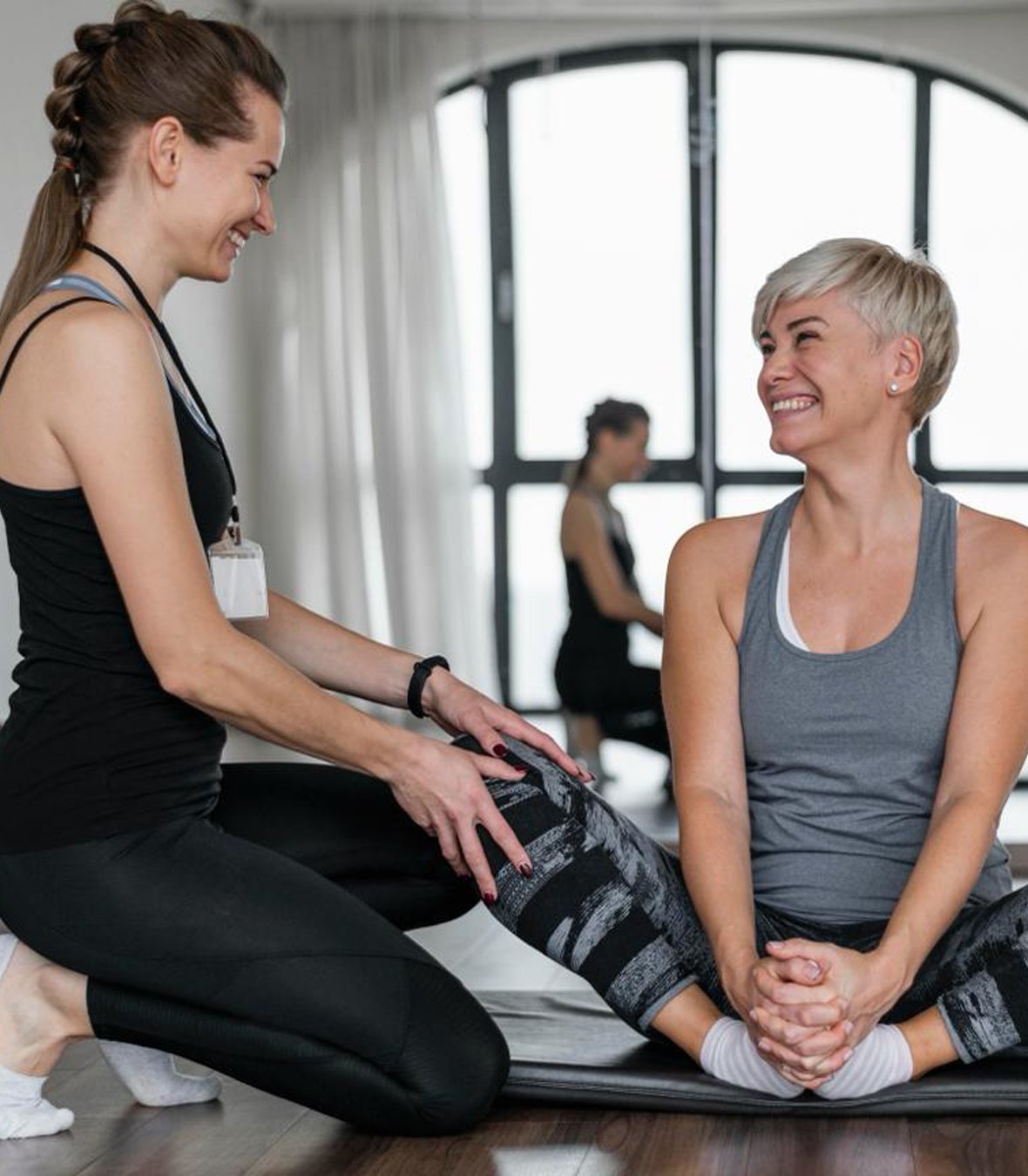
Real support. Practical strategies. Lasting results.
We provide support:
- For Workplaces
Improve employee wellbeing, resilience, engagement, and productivity. - For Individuals
Manage stress, restore balance, and take control of your health. - For NDIS Support Workers & Carers
Prevent burnout, build resilience, and continue caring for others without neglecting yourself.
What Our Clients Say
Trusted by individuals and teams seeking personalised, integrative care
A Positive Impact Across NDIS Trainers, Staff and Participants
I would confidently recommend Abhishek to organisations looking to improve employee wellbeing, resilience, and overall health. Abhishek has worked with our team as both a trainer and mentor, supporting participants as well as other trainers. His ability to combine fitness, wellbeing, stress management, and lifestyle coaching made a positive impact on both the people he supported and the wider team.
A Healthier, Stronger Version of Myself
Last year, I turned to Abhishek when I was struggling mentally and physically. In just three months, I’ve become stronger, fitter, and healthier in both body and mind. His intuitive ability to tailor solutions, support emotional wellbeing, and genuinely care sets him apart. Abhishek’s discipline is inspiring, and I wholeheartedly recommend him to everyone. – Bx
I Never realised my Emotions were Affecting my Physical Health..
During a challenging period in my life, Abhishek helped me recognise the connection between my emotional wellbeing and the physical symptoms I was experiencing. His guidance provided practical tools to better manage stress, prioritise rest, and take a more holistic approach to my health. Since working with him, I have made significant progress in both my physical and mental wellbeing. I am incredibly grateful for his support, insight, and genuine care.
What is integrative health care?
Integrative health care combines modern medical knowledge with evidence-based lifestyle practices such as movement therapy, nutrition, mindfulness, stress management, and recovery support.
At Nara Health, integrative care means we look at the whole person, not just symptoms — supporting your physical health, mental wellbeing, and long-term resilience while working alongside traditional healthcare where needed.
How is Nara Health different from a GP or specialist?
GPs and specialists play an essential role in diagnosis and acute care.
Nara Health complements this by focusing on long-term lifestyle, recovery, and prevention.
We spend time understanding:
Why symptoms started
What’s keeping them going
How daily habits, stress, movement, and recovery affect your health
Our role is to help you feel better between appointments, not replace medical care.
Can integrative health help with chronic pain?
Yes. Integrative health is commonly used to support people living with chronic pain, including:
Arthritis
Old injuries
Back, neck, and joint pain
Post-surgery recovery
Stress-related muscle tension
By addressing movement patterns, inflammation, nervous system stress, and recovery habits, many people experience reduced pain, improved mobility, and better quality of life.
Can you help reduce reliance on pain medication?
We do not stop or change medications — that decision always belongs to you and your doctor.
However, through lifestyle medicine, movement therapy, nutrition, stress regulation, and recovery strategies, many people find they can better manage symptoms naturally, which may reduce their reliance on medications over time under medical supervision.
Our approach is safe, supportive, and collaborative.
Do you work with stress, anxiety, and burnout?
Absolutely. Stress and emotional overload are some of the most common reasons people seek integrative health support.
We help with:
Chronic stress and burnout
Anxiety-related tension and fatigue
Poor sleep and mental exhaustion
Emotional overwhelm
Using breathwork, mindfulness, meditation, gentle movement, and lifestyle coaching, we help regulate your nervous system so your body can return to balance.
Is this suitable if I’ve had surgery or an injury?
Yes. Many clients work with Nara Health during post-surgery or injury recovery.
We collaborate with physiotherapists and other healthcare providers where needed and focus on:
Safe, gradual movement
Rebuilding confidence in your body
Supporting healing and energy levels
Preventing long-term compensation or setbacks
Everything is personalised and adapted to your stage of recovery.
Do I need to be flexible or fit to start?
Not at all.
You do not need to be flexible, strong, spiritual, or experienced with yoga or meditation.
We meet you exactly where you are — physically and mentally — and build from there at a pace that feels safe and achievable.
What services does Nara Health provide?
Our services include:
Integrative health consultations
Lifestyle and functional health coaching
Pain and recovery support
Stress and nervous system regulation
Movement and therapeutic yoga guidance
Nutrition and lifestyle education
Mindfulness and meditation coaching
Each program is fully personalised, not pre-packaged.
Do you work alongside my doctor or specialist?
Yes. We encourage collaborative care.
When appropriate, we work alongside:
GPs
Pharmacists
Physiotherapists
Exercise physiologists
Nutrition professionals
This ensures your care remains safe, informed, and aligned.
Is Nara Health suitable if I just want to feel better, not fix a condition?
Yes. You don’t need a diagnosis to work with us.
Many people come simply because they want to:
Feel more energetic
Sleep better
Move with less stiffness
Reduce stress
Build healthier habits
Preventative, proactive care is just as important as recovery.